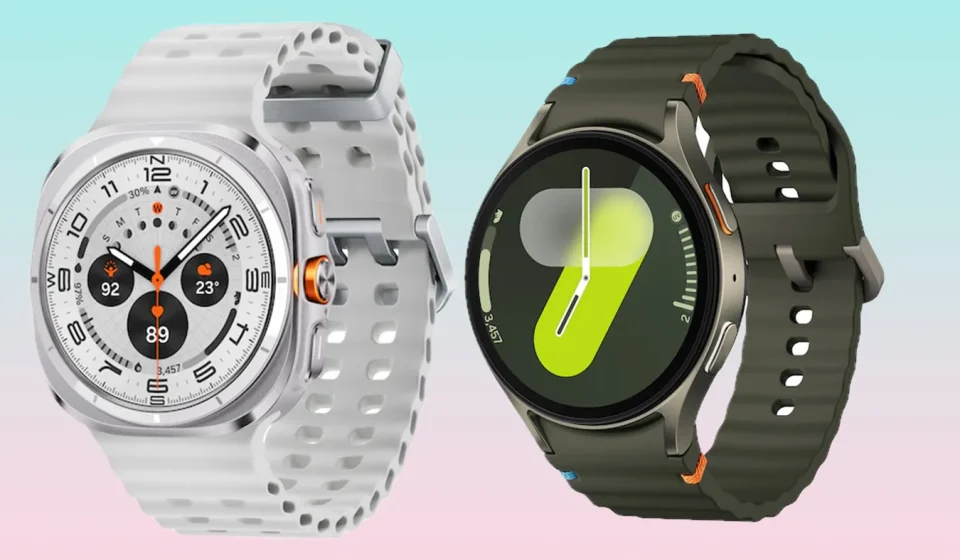

The watch fight has changed from “Who has the most sensors?” to “Who gives you data you can act on before your coffee gets cold?” For many Android users, fitness tracking is where Samsung’s toughest wearable makes its sharpest case, because it mixes workout data, sleep context, recovery hints, and phone-level convenience in one wrist package. That matters to runners in Austin, gym regulars in Chicago, hikers near Denver, and office workers trying to move more after six hours at a desk. The name in the headline is a little messy: Samsung sells the Galaxy Watch7 and the Galaxy Watch Ultra, not a separate “Watch 7 Ultra” line. Still, the demand behind the search is clear. People want to know whether Samsung’s premium watch is the best fitness pick right now, or another flashy gadget with a big case. For readers following consumer tech coverage, the honest answer is this: it wins when you judge the whole day, not one lab metric alone.
Why Fitness Tracking Feels Different on Samsung’s Toughest Watch
Samsung’s strongest move is not pretending every user is training for an Ironman. The better idea is that normal Americans move in broken patterns: a walk before work, stairs at lunch, a strength session after dinner, then poor sleep because the dog barked at 2 a.m. A watch that catches those pieces can be more useful than one that shines only during a clean, planned workout. Most buyers overrate how many workout modes a watch has and underrate how often they will keep it on. That is where Samsung’s premium build starts to matter. The tool you wear through errands, work, sleep, rain, and weekend plans gathers the richer story.
The watch earns trust before the workout starts
The Galaxy Watch Ultra has the hardware expected from a premium outdoor watch: a 47mm case, titanium build, Super AMOLED display, sapphire crystal, 10 ATM water rating with IP68, MIL-STD-810H testing, and a 590mAh battery listed in Samsung’s own comparison table. Samsung’s U.S. page also shows the 2025 version at $649.99 before trade-in, which places it directly against other high-end smartwatches rather than budget trackers.
That spec sheet matters, but not for bragging rights. A bright screen is useful when you check pace under noon sun in Phoenix. Better water resistance matters when you swim laps, rinse off after a muddy trail run, or get caught in a Florida storm. The counterintuitive point is that toughness improves consistency. You track more when the watch feels less fragile.
Samsung also gives the Ultra dual-frequency GPS, a BioActive Sensor, a Quick Button, and long battery modes on its official product pages. The company lists up to 100 hours in Power Saving mode and up to 48 hours in Exercise Power Saving mode, though real use depends on settings, signal, and how often you train.
Samsung Health makes scattered habits easier to read
The Samsung Health app does not need to turn you into a spreadsheet person. Its better role is translation. Steps, heart rate, sleep, body composition estimates, workout history, and readiness-style insights are more useful when they sit together rather than hiding in separate screens.
For a gym user in Dallas, that might mean noticing that heavy leg days keep pushing sleep quality down. For a new runner in Boston, it might mean seeing that pace falls apart after nights with poor rest. Those insights are not medical orders. They are pattern signals, and pattern signals are often what push people to change.
Samsung’s Watch7 page also highlights Energy Score, wellness tips, improved heart-rate handling, body composition through BIA, swim stroke analysis, SWOLF score, and cycling FTP estimates when paired with the right setup. The same ecosystem thinking is what helps the Galaxy Watch Ultra feel less like a single-purpose sports tool and more like a daily health dashboard. The best part is not one shiny chart. It is the way small choices start to connect. You may stop late caffeine because your sleep score keeps sagging. You may schedule hard workouts earlier because evening sessions hurt recovery. A watch cannot make those choices for you, but it can make the pattern harder to ignore.
Where Samsung Beats Rivals in Real American Use
A fair competitor check has to admit something up front: Apple, Garmin, Fitbit, Coros, and Polar all have loyal users for good reasons. Garmin often wins with endurance battery and deep runner tools. Apple wins many iPhone homes because its health tools and phone tie-in are polished. Samsung’s case gets stronger when the buyer uses Android and wants one watch that can train, commute, pay, message, sleep track, and survive rough weekends. That is the “every competitor” argument in its most defensible form. It is not that Samsung wins every specialist test. It is that it covers more of the average Android user’s day with fewer compromises.
The Android smartwatch advantage is bigger than specs
An Android smartwatch has to do more than count miles. It has to behave well with notifications, music, calls, apps, payments, alarms, calendars, and voice help. This is where Samsung pulls away from many pure sports watches for people who live on their phones during the week and train around that schedule.
That matters in suburbs and cities alike. A parent in Minneapolis might start a walk from the soccer field, answer a text, check the weather, and still want clean route data. A warehouse manager in Ohio might care about step trends and heart rate, but also needs a watch that handles calls without digging out a phone with gloves on.
Current buying guides still give Garmin a strong lead for many serious runners, and TechRadar’s 2026 running-watch guide names Garmin’s Forerunner line as a top choice while saying Samsung’s Ultra stands out for Wear OS users. That framing is useful because it shows the real split: Garmin is often the sports-first pick, while Samsung is the better whole-life pick for many Android owners.
The best competitor is the one you forget you are wearing
Samsung’s advantage also comes from removing friction. Auto-detected walks, workout tiles, on-watch coaching cues, and quick access buttons reduce the tiny delays that cause people to skip logs. A skipped log sounds small. Over six months, it becomes missing history.
The Galaxy Watch Ultra is not lighter than every rival, and the large case will not suit every wrist. That is the honest trade. Yet a bigger display can help during outdoor workouts, especially when you need to read pace, time, heart rate zone, or route prompts without slowing down.
A non-obvious win is emotional. Some fitness watches feel like a coach staring over your shoulder. Samsung feels more like a phone companion that happens to know your body. For beginners, that softer pressure can keep the habit alive longer than stricter training screens. The Quick Button is a good example of a boring feature that can matter. When you can start a run, mark a lap, or jump into a workout without poking through menus, the watch fades into the activity. That kind of design does not look dramatic in an ad. On a cold morning run, it can be the difference between logging the session cleanly and giving up on the data. For readers comparing ecosystems before buying, Android wearable comparisons are worth pairing with real store try-ons. Wrist feel, button placement, and display glanceability matter more than most spec tables admit.
The Health Features Are Strong, but They Need Adult Expectations
Samsung deserves credit for pushing health tools beyond simple steps and calories. It also deserves scrutiny. Wrist wearables can guide better choices, but they are not doctors, lab systems, or chest straps. The healthiest way to use the Galaxy Watch Ultra is to treat its numbers as strong clues rather than final verdicts. That mindset keeps the watch useful instead of stressful. The user who checks every dip as a crisis will burn out. The user who watches trends over weeks will learn more.
Sleep data may be the feature that changes behavior first
Sleep is where many users get humbled. You can argue with a run score. It is harder to argue when five short nights line up with worse workouts, higher resting heart rate, and a sour mood at work. Samsung’s sleep tools can make that pattern visible without asking you to journal every evening.
The sleep apnea feature adds a more serious layer. Samsung announced that its Sleep Apnea Feature received De Novo authorization from the U.S. FDA, and Samsung’s own footnotes say the feature is meant for adult users 22 and older to detect signs of moderate to severe obstructive sleep apnea, not to diagnose or replace medical care. That distinction is not legal fluff. It is the line between useful screening and false confidence. The FDA De Novo authorization makes the feature more serious than a casual wellness badge, but a bad result still belongs in a conversation with a clinician, not a late-night panic spiral.
Here is the counterintuitive part: sleep tools may help active people more than extra workout screens. A runner who sleeps poorly will not fix pace by buying brighter shoes. A busy nurse, truck driver, or sales rep might improve health faster by protecting sleep windows than by adding another hard workout.
Wrist numbers are helpful when you watch trends, not single readings
Heart-rate and calorie estimates from wrist devices can drift. That is not a Samsung-only problem. A 2026 study comparing Apple, Fitbit, Samsung, and Garmin devices found that smartwatch energy estimates can miss the mark, and another 2026 paper reported heart-rate accuracy differences across device brands and user characteristics.
So what should a normal buyer do with that? Use direction, not perfection. If your resting heart rate trends up after poor sleep, that is useful. If your usual easy run suddenly feels hard and the watch agrees, that is useful. If one calorie number looks odd after a sweaty lifting session, do not treat it like a lab report.
Samsung’s body composition feature is similar. BIA can help you watch changes over time, but hydration, meal timing, skin contact, and measurement habits can shift results. Use the same time of day, the same posture, and the same routine. The trend is the story. This is where the Samsung Health app earns its place. It gives you enough context to notice patterns without forcing you to act like a sports scientist. That balance is why the watch works for both casual exercisers and ambitious users who still have jobs, families, and messy schedules.
Buying It for Workouts, Weekends, and Daily Discipline
The Galaxy Watch Ultra makes the most sense when your fitness life is mixed. Maybe you run twice a week, lift twice, walk the dog daily, hike once a month, and care about sleep because Monday mornings keep getting rough. That is a more common American use case than the athlete in a launch video. The watch is built for that uneven life. It does not punish you for missing a perfect training block. It gives you enough feedback to restart.
It fits the person who wants one tough watch, not three devices
Some people should buy Garmin. If you train for ultramarathons, want weeks of battery, or need advanced mapping and recovery systems built for sport-first users, Samsung may not be your best match. That is not failure. It is category fit. The Galaxy Watch Ultra is for the Android user who wants a premium daily watch that handles workouts well enough to become the default. It suits someone who wants LTE, bright display quality, rugged materials, sleep insight, health prompts, payments, and app access without switching devices when the weekend arrives.
Think of a teacher in Colorado who walks during planning breaks, tracks cycling on Saturdays, and hikes in Rocky Mountain weather each month. A pure running watch may give deeper sport menus. Samsung gives a better daily bridge, and that bridge is why many people keep wearing it after the novelty fades.
The Android smartwatch angle also matters for households already using Galaxy phones, earbuds, tablets, or smart home gear. When your devices talk cleanly, you remove one more reason to skip logging, ignore reminders, or leave the watch charging for two days.
The smartest purchase test happens before checkout
Before buying, ask a simple question: what kind of data has changed your behavior before? Some people respond to badges. Others need sleep warnings. Others care about route maps, pace, or heart-rate zones. A premium watch is only worth it if its strongest tools match the part of your life you will act on.
Try the case size if possible. The 47mm Ultra has presence. On a small wrist, that presence can turn into annoyance during sleep. And if you hate sleeping with a watch, you lose one of Samsung’s strongest health areas before you start. Battery expectations also need honesty. Samsung’s long battery modes are useful, yet full smart features, LTE, bright display use, GPS workouts, and overnight sleep logs can pull results down. Plan around your own habits, not the biggest number on a product page.
The price also changes the standard. At this level, the watch should not be a reward for wishing you were active. It should fit habits you already have or habits you are ready to practice this month. If you walk daily and want better sleep feedback, the Ultra can support that. If it will sit in a drawer after two weeks, no sensor stack can save the purchase. For buyers still deciding between premium and midrange models, smartwatch buying advice can help separate wants from habits. The cheaper Galaxy Watch7 may suit many users who do not need the Ultra’s case, battery, and outdoor toughness, while the Ultra makes sense for people who will use its durability often enough to feel the difference.
Conclusion
The Galaxy Watch Ultra does not need to win every lab test to win many wrists. Its real strength is how much of your day it can read without making health feel like homework. It tracks workouts, frames sleep, connects to the phone you already use, and survives the rough parts of American life better than a dressy smartwatch should. That mix is why the fitness tracking story around Samsung feels bigger than one sensor or one chart. Still, the smartest buyer keeps expectations grounded. Apple, Garmin, and others still beat Samsung in certain lanes, and serious athletes may want deeper sport tools. For Android users who want a tough watch that connects training, recovery, and daily convenience, Samsung has built one of the strongest options on the market. Buy it for the habits it can support, not the hype it can wear.
Frequently Asked Questions
Is the Galaxy Watch Ultra better than Garmin for daily workouts?
It can be better for Android users who want workouts, calls, apps, payments, and sleep tools in one device. Garmin still has the edge for many endurance athletes, long battery demands, and sport-first training menus. Your phone ecosystem should guide the choice.
Does Samsung sell a Galaxy Watch 7 Ultra model?
Samsung currently separates the names: Galaxy Watch7 and Galaxy Watch Ultra. Many shoppers combine the names while searching, but the Ultra is its own premium line. Check the official product page before buying so you know the exact model and year.
Is the Galaxy Watch Ultra worth it for beginners?
Yes, if you want a durable watch you can grow into. Beginners may like auto workout detection, sleep trends, wellness tips, and clear activity history. The price is high, though, so casual users may find the regular Galaxy Watch7 enough.
How accurate is the Galaxy Watch Ultra for heart rate?
It is useful for trends, workout zones, and day-to-day guidance, but wrist heart-rate data can vary with movement, fit, skin contact, and workout type. For interval training or medical-grade confidence, a chest strap or clinical device is still the safer reference.
Can the Galaxy Watch Ultra detect sleep apnea?
It can detect possible signs of moderate to severe obstructive sleep apnea for eligible adult users through Samsung’s authorized feature. It does not diagnose the condition. A concerning alert should lead to a medical appointment, not self-treatment.
Is the Galaxy Watch Ultra good for swimming?
Yes, it is built for water exposure with 10 ATM and IP68 ratings, and Samsung includes swim-related tools such as stroke analysis and SWOLF on supported watch features. Rinse and dry it after pool or ocean use to protect the band and case.
Should iPhone users buy the Galaxy Watch Ultra?
No, not for most people. The Galaxy Watch Ultra is built around Android and Samsung’s own ecosystem. iPhone users are usually better served by Apple Watch models because app support, setup, messaging, and health syncing fit that platform better.
What is the biggest reason to choose the Galaxy Watch Ultra?
Choose it for the full daily package: rugged build, bright display, Android phone features, health trends, sleep tools, workout modes, and Samsung Health context. It is strongest for users who want one watch for workdays, training days, and weekends outdoors.