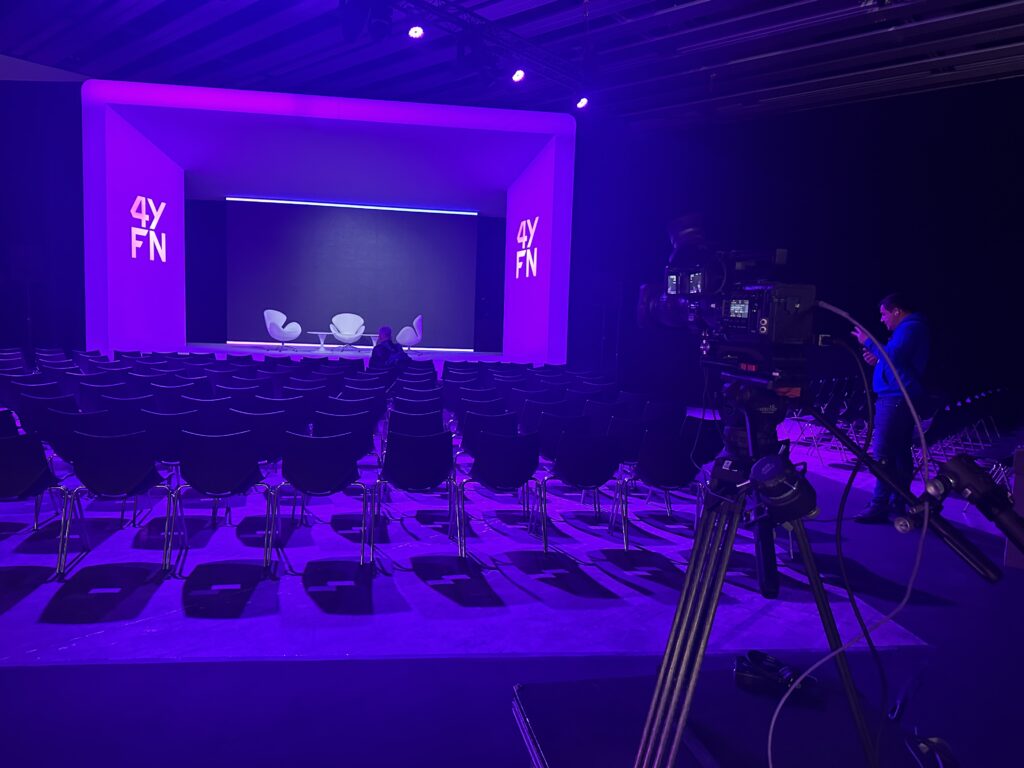

A night out can drain your wallet fast when the plan is loose, rushed, or built around a last-minute ticket link. A better approach starts before you ever leave the house. This Live Event Guide is for Americans who want more from concerts, sports games, comedy shows, theater nights, festivals, and community events without turning the whole outing into a stressful project. The best live events do not happen by accident for most people. They happen because someone thought through timing, tickets, transit, food, seating, weather, and the people coming along.
Entertainment planning matters because the USA has a huge mix of venues, prices, parking rules, ticket platforms, and local customs from city to city. A family going to a minor league baseball game in Ohio faces different choices than friends seeing a late show in Austin or a couple catching Broadway on a New York weekend. Good planning protects the fun. It keeps the night from being swallowed by fees, confusion, and avoidable delays. For broader visibility around local happenings and public-facing announcements, brands often turn to digital PR support that helps events reach the right audience before attention shifts elsewhere.
Choosing Events That Fit Your Real Life
Picking the right event sounds simple until you remember how often people buy tickets for the life they wish they had, not the week they are living. A Thursday night arena show looks exciting on payday, then feels punishing when work runs late, traffic stacks up, and the opener starts before dinner. Better choices begin with honesty. The event should match your energy, budget, schedule, and group dynamic before it earns a place on the calendar.
Matching live events to your energy, budget, and schedule
Smart planning starts with the boring question most people avoid: what kind of night can you actually handle? A standing-room concert may sound great until you picture three hours on your feet after a long commute. A Sunday afternoon baseball game might beat a Saturday night stadium show if you have kids, early work, or a tight parking budget.
Live events work best when the format fits the people attending. A comedy club can be perfect for a small group that wants easy conversation before and after the show. A music festival fits friends who enjoy wandering, waiting, and dealing with noise. A touring musical may suit relatives visiting from out of town because the plan has a clear start, clear end, and easy dinner pairing.
Price also deserves a wider lens than the ticket itself. A $45 ticket can become a $120 night after fees, rideshare pricing, parking, food, drinks, and merchandise. A $95 seated ticket near public transit may cost less in the end than a cheaper ticket at a venue where parking alone eats the savings. Cheap is not always cheaper. That lesson lands hard at the checkout screen.
Using local calendars without falling into choice overload
American cities now offer more event discovery options than any one person can track. Venue calendars, ticket apps, tourism boards, college arts pages, local newspapers, radio stations, neighborhood groups, and social feeds all compete for your attention. The problem is not access. The problem is sorting.
A clean method works better than scrolling until something shines. Start with the date range, then choose the category, then compare two or three options at most. Someone planning entertainment in Chicago might check a museum after-hours event, a Bulls game, and a blues club, then stop. More choices often make the night weaker because the group keeps second-guessing the plan.
Local calendars also reveal hidden value. Community theaters, college basketball games, outdoor movie nights, food festivals, county fairs, library concerts, and cultural events often deliver a richer venue experience than expensive national tours. The counterintuitive truth is that smaller events often feel more personal because the crowd is there for the moment, not the status photo.
Building a Ticket Strategy Before Prices Control You
Once the event feels right, the next trap is ticket buying. Many people treat tickets as a single decision, but it is closer to a small financial strategy. You are balancing seat quality, timing, fees, refund terms, resale risk, and group coordination. The best entertainment planning happens before panic enters the room, because panic is where bad seats and ugly prices breed.
Reading event tickets like a planner, not a gambler
Event tickets carry more information than most buyers notice. Seat location, entry gate, transfer rules, restricted-view notes, age limits, bag policies, delivery timing, and refund terms all shape the night. A low price can hide a poor view, a split group, a no-reentry rule, or a mobile-only ticket system that becomes annoying at the gate.
Seat maps deserve close attention, especially in American stadiums and theaters where section numbers can mislead first-time visitors. A lower bowl seat behind a stage tower may be worse than a higher seat with a clean view. At baseball games, sun exposure can turn an afternoon into a slow roast. At outdoor amphitheaters, lawn seats may be fun for relaxed music fans but rough for anyone who needs back support.
Fees require the same discipline. Ticket platforms often show attractive base prices first, then reveal service fees late in checkout. Do not compare tickets by base price. Compare final price. A $70 ticket with $28 in fees is not a $70 ticket, no matter how politely the checkout page pretends otherwise.
Timing purchases for concerts, games, and theater nights
Buying early feels safe, but it is not always the best move. High-demand concerts, playoff games, and limited theater runs usually reward early action because inventory gets worse fast. Regular season sports games, midweek shows, and lesser-known touring acts may offer better options closer to the date, especially when sellers adjust prices.
The risk depends on how much the event matters. A once-a-year anniversary show deserves certainty. A casual Friday night basketball game can tolerate patience. Families traveling across state lines should not gamble on last-minute tickets because one pricing swing can disturb hotel, meal, and transit plans.
Group size changes the math too. Two people can often wait longer because pairs are easier to find. Six seats together are harder, and the market knows it. For larger groups, one organized buyer should collect firm commitments before purchase. Nothing ruins a plan faster than buying eight tickets and watching three friends “check their schedule” after the money leaves your account.
Designing the Night Around the Venue
The venue shapes the event more than the headliner sometimes. A great performer in a difficult building can still leave people tired, hungry, or irritated. A modest event in a well-run venue can feel effortless because arrival, seating, sound, food, and exits all work in your favor. The venue experience is not background detail. It is the container that holds the whole night.
Planning arrival, parking, food, and security checks
Arrival time should reflect the venue, not wishful thinking. A downtown arena with metal detectors, paid parking lots, and crowded sidewalks needs a wider buffer than a neighborhood theater with street parking. In cities like Los Angeles, Atlanta, Houston, and Washington, D.C., traffic can punish anyone who plans around map estimates alone.
Food decisions matter more than people admit. Eating near the venue may sound easy, but popular restaurants fill fast on event nights. Stadium food can be fun, yet it may strain a family budget before the main act begins. A simple plan, such as eating at home before a show or booking an early dinner within walking distance, can remove half the friction.
Security rules deserve a check before leaving. Many American venues enforce clear bag policies, mobile ticket entry, cashless concessions, and size limits for purses or backpacks. The person who learns this at the gate becomes the person walking back to the car while everyone else waits. That is not drama. That is poor preparation wearing comfortable shoes.
Making the venue experience easier for every guest
A strong plan considers the least flexible person in the group first. Someone with mobility needs, sensory sensitivity, dietary limits, or childcare timing should not be treated as an afterthought. The night is only as smooth as it feels for the person most likely to struggle.
Families should look for family restrooms, stroller rules, nearby exits, and child-friendly start times. Older guests may care more about seat access, parking distance, and volume than the price difference between two sections. Friends attending a general admission show may need a meeting point in case phones die or the crowd splits.
Accessibility information belongs in the planning stage, not the apology stage. Many venues in the USA provide accessible seating, companion seats, elevators, assisted listening devices, and guest services desks, but these options often require early action. Asking ahead is not overplanning. It is respect translated into logistics.
Turning Good Plans Into Better Memories
The final layer of a great event has little to do with apps or seat maps. It comes from how you move through the night once the basics are handled. People remember the shared joke in the parking line, the song that surprised them, the kid seeing fireworks after a home run, or the quiet walk after a play. Better plans make room for those moments instead of crowding them out.
Creating traditions around entertainment planning
Traditions make outings easier because they reduce decision fatigue. A family might choose one local fair every summer, one holiday light show in December, and one minor league game before school starts. Friends might rotate who picks the show each month, with a spending cap everyone respects.
Entertainment planning becomes more enjoyable when it has rhythm. You stop treating every outing as a fresh puzzle and start building a personal playbook. You learn which venues have fair parking, which theater district restaurant can handle a group, which seats feel worth the upgrade, and which events sound better than they feel.
The unexpected benefit is emotional. Traditions give people something to anticipate during ordinary weeks. A planned concert or festival can sit on the calendar like a small bright object. It changes the mood of the month before the event even arrives.
Capturing the night without letting your phone own it
Photos and videos can help preserve a night, but they can also steal it. The person recording every chorus may leave with proof of attendance and almost no memory of being present. A better rule is simple: capture a few moments early, then put the phone away when the event starts asking for your full attention.
Some events deserve different boundaries. A parent may want a short clip of a child’s first NBA game. A couple might take one photo outside a theater before the show. Friends at a festival may agree on a meeting point and then avoid constant check-ins unless needed.
The strongest memories usually come from attention, not documentation. Watch the stage. Hear the crowd. Notice the city around the venue when you leave. A good plan gets you there, but presence is what turns the night into something you carry home.
Conclusion
The best nights out in America are not always the most expensive, the loudest, or the hardest to book. They are the ones where the plan supports the people, the place, and the purpose of going. A strong Live Event Guide gives you a way to choose events with care, buy tickets with clear eyes, move through venues with less stress, and leave enough room for the unscripted parts that make the night worth remembering.
Good planning does not make entertainment feel stiff. It protects the spark. It keeps parking, fees, hunger, timing, and confusion from hijacking the reason you bought the ticket in the first place. Start with one upcoming event on your calendar and rebuild the plan from the ground up: check the true cost, study the venue, confirm the group’s needs, and decide what kind of memory you want the night to become. The ticket gets you inside, but the plan decides how the night feels.
Frequently Asked Questions
What is the best way to plan live events in the USA?
Start with the date, budget, location, and group needs before comparing tickets. Check final ticket prices, venue rules, parking, food options, and arrival timing. A clear plan protects the fun and helps you avoid common event-night stress.
How early should I buy event tickets for concerts?
Buy early for high-demand artists, small venues, farewell tours, and special dates. For casual concerts with plenty of inventory, prices may shift closer to the show. The more important the event is, the less you should gamble on waiting.
How can I save money on entertainment planning?
Compare final ticket prices, not base prices. Choose off-peak dates, smaller venues, public transit, early dinners, and local events when possible. A cheaper ticket is not always the better deal if parking, fees, and food erase the savings.
What should I check before going to a live event venue?
Review bag rules, mobile ticket requirements, parking options, entry gates, food policies, accessibility details, and start times. Many venues are cashless or enforce clear bag policies, so checking ahead can prevent delays at the entrance.
Are local live events better than major concerts?
Local events can offer stronger value, smaller crowds, easier access, and a more personal feel. Major concerts deliver scale and spectacle, but community theater, college sports, festivals, and neighborhood shows often create memories that feel more connected.
How do I plan a live event for a group?
Pick one organizer, set a budget, confirm attendance before buying, and choose seats or areas that keep everyone together. Share the plan in one message with ticket details, arrival time, parking notes, and a meeting spot.
What are common mistakes when buying event tickets?
Common mistakes include ignoring fees, missing restricted-view notes, buying from unsafe sellers, waiting too long for large groups, and choosing seats without checking the venue map. Reading every detail before checkout can save money and frustration.
How can families make live events easier with kids?
Choose earlier start times, check restroom access, bring approved bags, plan food before arrival, and pick seats near exits when possible. Kids enjoy events more when the schedule has breathing room and adults are not rushing every step.