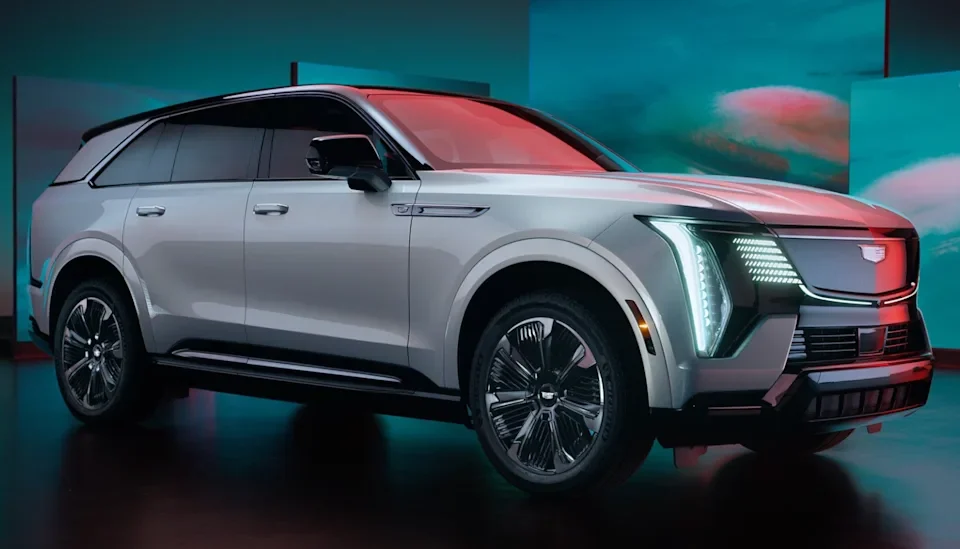

The first wave of an electric flagship changes shopping behavior before it changes traffic. For U.S. buyers watching the Escalade IQ, early dealer arrival means the conversation moves from reservation pages to actual window stickers, trade-in numbers, delivery slots, and home-charger plans. Cadillac lists the 2026 SUV with a Cadillac-estimated 465 miles of range, up to 750 hp in Velocity Max, and a 55-inch Horizon Display, so this is not a quiet compliance EV hiding behind a luxury badge. It is a full-size statement aimed at families, executives, chauffeurs, and longtime gas Escalade owners who want size without tailpipe emissions.
That timing matters because high-end EV buyers shop differently once vehicles touch dealer lots. They want to sit in the second row, test the screen layout, check cargo space with real bags, and ask whether their garage wiring can keep up. Good consumer tech and auto coverage helps, but this type of purchase still needs a hands-on visit. A luxury electric SUV can look perfect online and feel different after ten minutes in a showroom.
Why Early Dealer Arrival Changes the Buying Mood
A vehicle feels theoretical until a sales manager can point to one outside. That is the shift here. The Cadillac electric SUV entering dealer conversations early gives shoppers a better chance to compare trims, colors, charging options, and trade-in numbers before the usual rush starts. It also gives dealers time to learn the vehicle before buyers ask hard questions about range loss, charging cords, winter use, and long-term service.
From reservation curiosity to driveway math
Online interest is easy. Real buying is awkward. You start with the dream of a silent electric full-size SUV, then you end up measuring a garage, checking a breaker panel, and asking whether a 24-inch wheel package will make potholes feel sharper on your local roads.
That is where dealer arrival changes the mood. A buyer in Texas can look at the cabin after a school pickup run. A buyer in New Jersey can ask about tight parking. A buyer in Arizona can talk through heat, cooling, and charging speed. Those small local details decide more sales than a glossy launch video.
The non-obvious part is that early dealer units may slow some buyers down. That sounds bad, but it can help Cadillac. A six-figure EV should not be bought like a phone upgrade. When shoppers see the size, the screen, the seating, and the charging setup in person, the serious buyers become easier to spot.
Why the first units may matter more than big discounts
Luxury buyers often say they want a deal, but at this level, they want confidence first. A discount cannot fix a poor dealer explanation. It cannot fix a home charging problem. It cannot fix buyer regret if the third row feels wrong for a family that takes long weekend trips.
That makes the first dealer units valuable as teaching tools. Sales teams can walk buyers through the 205 kWh battery capacity, the CCS1 port, the available NACS adapter for approved Tesla Supercharger access, and the included dual-level charging cord. Cadillac says the SUV supports 350 kW maximum DC fast charging and can add up to 117 miles in about 10 minutes under the right conditions.
This is also where a dealer can win or lose trust. A smart salesperson will not pretend every owner will see the best charging number every stop. They will explain the difference between a fast public charger, a home wall unit, and a basic outlet. The buyer who understands that difference before delivery is less likely to feel misled later.
What Escalade IQ Specs Mean in Real American Use
Specs do not matter until they answer a normal day. The official numbers are strong, but a luxury electric SUV has to survive boring U.S. routines: Costco runs, airport pickups, icy mornings, packed sports bags, and long drives where nobody wants to hear a lecture about charge planning. That is the real test.
Range matters most when the route is boring
A Cadillac-estimated 465 miles sounds like a road-trip number, but its better use may be peace of mind on ordinary weeks. Many families do not want to charge every night. They want to drive to work, take kids across town, run errands, then leave for dinner without turning range into a household topic.
That is why a large battery makes sense in this kind of SUV, even though it adds weight. Efficiency fans may complain, and they have a point. Still, buyers in this segment are not cross-shopping tiny hatchbacks. They are comparing comfort, road presence, cargo room, and whether the vehicle can replace a gas Escalade without making life feel smaller.
A concrete example helps. A family driving from Atlanta to the Florida Panhandle may care less about perfect efficiency than about fewer charging stops, cooled seats, quiet highway manners, and enough space behind the third row for beach gear. Range becomes luxury when it removes arguments.
Fast charging is useful, but home charging decides the week
Public fast charging gets attention because it feels dramatic. Ten minutes, triple-digit miles, back on the road. Nice. But most owners will judge the Cadillac electric SUV by what happens at home after 9 p.m.
Cadillac lists Level 2 charging rates up to 36 miles of range in about an hour with 19.2 kW equipment on certain trims, and up to 22 miles in about an hour with 11.5 kW equipment on other trims. The included dual-level cord can add up to 15 miles per hour from a proper 4-prong outlet, while a standard household outlet is far slower.
That means the best buying move may happen before the test drive. Have an electrician check the garage. Ask the dealer which charger fits the trim. Think about where the cord will sit, whether the SUV parks indoors, and whether another EV might share the same circuit later. Range sells the dream. Charging makes it livable.
The Cabin Is the Real Test for Luxury Buyers
The outside gets the attention, but the cabin earns the payment. People buying this kind of SUV are not asking for plain transportation. They want a rolling room that feels calm after a long meeting, safe during a night drive, and roomy enough that adults do not dread the second or third row.
A quiet second row can sell the whole vehicle
The second row matters because luxury often sits behind the driver. Cadillac points to an available Executive Second Row with more legroom, added tech-charging options, upgraded sound, and available 16-way power heated and ventilated seats with lumbar massage. That sounds like brochure language until you picture the buyer.
It could be a parent who takes work calls while waiting at soccer practice. It could be a hotel guest being picked up from LAX. It could be a business owner who wants an electric full-size SUV but refuses to give up the hush and stretch-out feel that made the Escalade name matter.
The counterintuitive insight: the third row may not be the deciding row. Many shoppers ask about seven-passenger seating, but the deal may be made when one adult sits behind another adult and still feels treated well. That is where luxury becomes personal.
Tech should lower stress, not create chores
The 55-inch display will pull eyes first. Big screens do that. Yet a wide digital cabin can become annoying if basic controls feel buried, passengers fight for attention, or the driver has to tap through menus to do simple tasks.
This is why a showroom demo matters. Try the navigation. Pair a phone. Ask how Google built-in works. Test the head-up display view. Sit in the passenger seat and see whether the screen feels useful or distracting. Luxury tech should feel calm, not needy.
Super Cruise also deserves a grounded look. Cadillac lists standard Super Cruise with a 3-year OnStar One plan, but driver assistance is not the same as sleeping through a commute. The driver still has responsibility. That difference should be clear before anyone signs. For recall checks on any vehicle under consideration, the official NHTSA recalls page is the place to verify safety notices.
How It Fits Against Gas Escalade Habits
The hardest buyer to win may be the loyal gas Escalade owner. That person already likes the size, height, badge, and American luxury feel. The question is not whether an EV is new. The question is whether it can keep the habits that made the original appealing.
The biggest adjustment is planning, not power
Power will not be the problem. Cadillac estimates 750 hp and 785 lb.-ft. of torque in Velocity Max, with 0 to 60 mph in 4.7 seconds. For a large SUV, that is more than enough to make a freeway merge feel short.
The adjustment is mental. Gas owners are used to refueling anywhere in a few minutes. EV owners gain home charging but need better trip habits. That trade can feel freeing during normal weeks and annoying during rare messy ones, like holiday travel with broken chargers or bad weather.
That is why the best buyer is honest about use. A family with a garage, predictable routes, and occasional long trips may find the change easy. A buyer who street-parks, tows often, or refuses to plan charging stops may be happier waiting. The vehicle is ready for many people. Not everyone.
Why early shoppers should inspect the details in person
The dimensions tell one story. Cadillac lists the SUV at 224.3 inches long, with seating for seven, up to 119.1 cubic feet of cargo space behind the first row, and 23.6 cubic feet behind the third row. It also has up to 12.2 cubic feet in the front storage area.
Those numbers sound generous, and they are. Still, numbers do not show how a stroller fits, how high a dog must jump, how easy the third row is to reach, or whether the front storage area works for muddy gear. Bring the items you use. Fold seats. Open every door. Stand behind it in a parking space.
Early arrival gives shoppers that chance sooner. It also gives them time to compare this luxury SUV buying checklist with a home charging guide for large electric vehicles before the purchase becomes emotional. The smartest buyer will treat the showroom like a fitting room, not a stage.
Conclusion
Early dealer movement turns Cadillac’s electric flagship from a headline into a decision. That is where the pressure gets useful. Shoppers can stop guessing and start asking better questions about charging, space, service, and whether this vehicle fits their actual week.
The Escalade IQ will make the most sense for buyers who want full-size comfort, electric quiet, and American luxury without shrinking their expectations. It will make less sense for people who cannot charge at home or who expect every road trip to feel exactly like a gas stop.
That is not a flaw. It is the line every serious EV buyer has to find. The arrival of this SUV at dealers gives U.S. shoppers the one thing online research cannot provide: a real seat, a real cargo test, and a real conversation about ownership before the keys change hands.
Go see it in person before the loudest opinions make the decision for you.
Frequently Asked Questions
How much range does the Cadillac electric SUV offer?
Cadillac lists a Cadillac-estimated 465 miles of range for the 2026 model. Real driving range can change with speed, weather, passengers, wheel choice, terrain, and climate control use. Highway trips in cold weather may bring lower results than mild local driving.
Is this luxury electric SUV good for family road trips?
Yes, it can work well for family trips if charging stops are planned ahead. The long range, large cabin, and cargo room help. The main issue is not comfort. It is making sure public charging fits your route and schedule.
How fast can the electric full-size SUV charge?
Cadillac says DC fast charging can add up to 117 miles in about 10 minutes under suitable conditions. That depends on charger output, battery temperature, current battery level, and station reliability. Home charging will matter more for weekly ownership.
Does it replace a gas Escalade for most buyers?
For many garage-owning buyers, yes. It keeps the large luxury SUV feel while changing the refueling habit. Drivers who tow often, lack home charging, or take frequent remote trips may want to compare ownership needs before switching.
What should buyers check at the dealership first?
Check seating comfort, third-row access, cargo space, screen controls, visibility, charging equipment, and garage fit. Bring real items like luggage, sports bags, or a child seat. A short showroom visit can reveal issues that spec sheets miss.
Is home charging required for this type of SUV?
It is not required, but it makes ownership far easier. A large battery needs a practical charging routine. Public charging alone can work for some drivers, but most owners will prefer overnight Level 2 charging at home.
Who is the best buyer for this Cadillac electric SUV?
The best buyer wants size, quiet driving, luxury seating, and strong range, while also having access to home charging. It fits families, executives, and longtime Escalade fans who want an EV without moving into a smaller crossover.
Should early buyers wait for more dealer inventory?
Waiting may help buyers compare trims and colors, but early shoppers get the first chance to inspect units, discuss orders, and understand charging needs. A smart move is to visit now, gather real numbers, then decide without rushing.