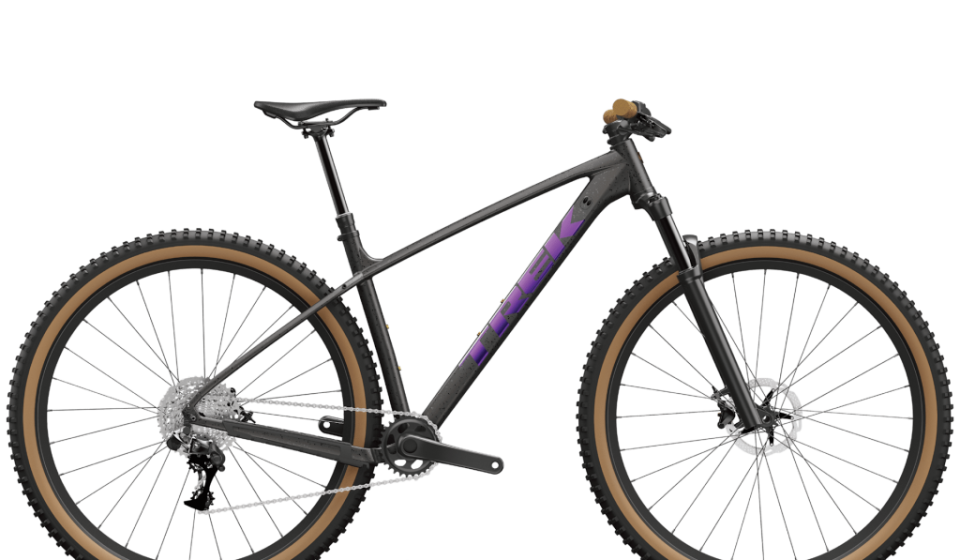

Bike shortages rarely feel neat from the buyer’s side. One store shows your size, another has the color you wanted, and a third hides local pickup behind a checkout screen. That is why the Trek Marlin 7 is getting attention from U.S. riders who want a serious first trail bike without walking into race-bike pricing. The better read is not panic. It is pressure around the sizes and builds that make sense for real people: high school riders, weekend trail newcomers, fitness riders, and commuters who want dirt-road freedom after work. For shoppers watching outdoor gear buying trends, the appeal is easy to understand. This is not a boutique toy. It sits in the practical middle, where price, parts, brand trust, and local shop support all matter. Trek frames the Marlin line as a do-everything hardtail for singletrack, city use, and rough commutes, while current retailer listings point to buyer-friendly details such as 100 mm suspension travel, hydraulic disc brakes, and a 12-speed drivetrain.
Why Trek Marlin 7 Demand Feels Different This Season
The current interest feels different because buyers are not only chasing a discount. They are chasing certainty. A shopper in Denver, Bentonville, Asheville, or suburban New Jersey may see dozens of mountain bikes online, yet only a few hit the sweet spot of price, shop service, trail ability, and daily use. That tight middle is where demand bunches up. When the right frame size disappears, it feels like the whole market vanished.
The middle of the bike market is under pressure
The most crowded part of the bike aisle is not the cheapest rack. It is the zone where a buyer wants the first bike that will not feel embarrassing after three months. That is where a hardtail with real brakes, a wide-range drivetrain, and modern trail manners starts to look safe. Safe does not mean boring. It means you can buy it on Friday and ride mixed terrain on Saturday without needing a box of upgrades.
This is why the Marlin name carries weight. It reaches people who are new to dirt riding, but it also feels familiar to parents, shop staff, and former racers who know Trek. A student joining a NICA-style school riding group, a dad returning to trails after years away, and a city rider adding gravel paths to a weekday loop may all land on the same model for different reasons.
The counterintuitive part is that the buyer is often not a “mountain biker” yet. That label comes later. First, the person wants a bike that can handle potholes, gravel cut-throughs, roots, curbs, and a green trail without feeling fragile. The demand starts before the identity does.
Stock gaps are usually about size, not total scarcity
Online sellout chatter can make a bike sound impossible to find, but the stock story is often more uneven. Medium, medium-large, and large frames tend to move quickly because they cover a wide band of adult riders. Small and extra-large sizes may sit longer. Color can also distort the picture. A flashy finish may disappear while a quieter one remains in a nearby store.
That matters because shoppers waste time when they search only by model name. Call the store before you drive across town, and ask a plain question: can someone put hands on that frame today? Many sites show inventory through feeds that lag behind floor traffic. A five-minute call can save a Saturday morning and keep you from buying the wrong size out of frustration.
A smarter search starts with fit. If your size is in stock at a local pickup point, that may beat a lower price from a faraway warehouse. Assembly, warranty help, brake bedding, wheel checks, and a first fit adjustment all carry value. For a newer rider, that support may matter more than saving a small amount.
There is also a quiet seasonal reason for the rush. Spring and early summer bring school riding programs, vacation plans, and local trail days. Families do not want the “perfect” bike in October. They want the bike that lets someone ride this weekend. That urgency can turn normal size gaps into a sellout mood.
What Buyers Are Actually Chasing in This Hardtail Mountain Bike
The best way to judge the current hype is to look at what buyers are trying to avoid. They do not want a department-store bike that rattles after a few rocky rides. They do not want a high-end trail bike priced like a used car. A hardtail mountain bike with sound parts solves that tension. It gives riders a clean path into trails, fitness, and daily use without making them learn the whole upgrade market first.
The spec sheet works because it avoids drama
A good beginner-friendly mountain bike is not the one with the loudest part names. It is the one with fewer weak points. Hydraulic disc brakes matter because they give better control in rain, dust, and loose dirt than old rim brakes. A wide-range drivetrain matters because climbing a punchy hill behind a local park feels different from spinning on a flat bike path. Current listings for the 2026 build show the kind of trail-ready recipe buyers now expect in this price class, including hydraulic braking, 100 mm fork travel, and modern wheel setups across the size range.
You notice those parts on ordinary rides. A beginner may not know brake rotor size, but they know the feeling of slowing down before a rooty corner without panic. They may not know gear range, but they know when a climb stops feeling like punishment. Good specs disappear under the rider. Bad specs call attention to themselves. That is also why tire clearance, cockpit feel, and brake setup deserve attention even when they sound less exciting than a derailleur name. On a damp East Coast trail, a stable front end and predictable tires may shape the ride more than one extra brag-worthy part.
That is the non-obvious appeal. The bike does not need to feel fancy to be worth buying. For many riders, the win is not speed. It is the absence of regret after the first month.
Daily use is part of the draw
A lot of trail bikes are poor daily partners. They can feel slow on pavement, awkward with bags, or too expensive to lock outside a coffee shop. This model lives closer to the useful side of the line. Riders can use it for neighborhood loops, crushed limestone paths, campus commutes, and mild singletrack. That range is why a hardtail mountain bike can make more sense than a full-suspension bike for a first serious purchase.
Think about a rider in Minneapolis who wants one bike for paved trails during the week and dirt paths on Saturday. A long-travel bike would be overkill. A skinny-tire commuter would get nervous when the path turns rough. The practical choice sits between those worlds.
That mixed-use appeal also helps resale. A narrow bike speaks to a narrow buyer. A practical trail hardtail speaks to parents, new riders, fitness riders, and commuters. Even if you outgrow it, you may not be stuck with it.
How to Shop Mountain Bike Retailers Without Wasting a Weekend
The biggest mistake buyers make is treating every “in stock” label as equal. Mountain bike retailers can show warehouse stock, store stock, ship-to-home stock, or local pickup stock, and those are not the same experience. The right question is not only “Can I buy it?” It is “Can I get the correct size, assembled well, with support close enough to matter?”
Start with fit before price
Fit controls the whole purchase. A small discount cannot fix a frame that feels cramped or stretched. A bike that is slightly wrong in the garage becomes more wrong on mile six, when your back tightens or your hands go numb. Comfort is not a soft concern here. It is the reason you keep riding after the first burst of excitement fades.
If you are between sizes, think about your main use. A rider doing tight local trails may prefer easier handling. A rider doing long rail-trail miles may prefer a roomier feel. In-store help can settle that faster than a dozen comment threads.
Online charts help, but they are not magic. Shoes, pants, and bikes all prove the same point: bodies do not follow neat size boxes. Inseam, arm length, flexibility, and confidence change how a frame feels. A 5-foot-10 rider may like one size on paper and another after rolling around the parking lot.
This is where local pickup can beat pure online shopping. A shop can catch a twisted handlebar, rubbing rotor, loose headset, or tire setup problem before you take the first ride. That sounds small until your first trail day turns into a repair stop.
Read the retailer page like a mechanic would
A clean product page should tell you frame size, wheel size, brake type, drivetrain, return rules, shipping method, and assembly path. Treat missing details as a yellow light, not a tiny inconvenience. Good mountain bike retailers know buyers compare specs line by line, so a vague listing deserves a second look before your card comes out.
Some marketplace listings mix model years, colors, or component notes. That can happen without bad intent, but the buyer still pays the price. Save screenshots before checkout if the page lists a specific build, especially when buying during a sale. If the bike arrives with a different fork, brake set, or drivetrain than shown, you will want a record that makes the return conversation simple.
The buyer still pays the price when details blur. For a bike in this class, model year details matter. A prior build may still be a fine buy, yet it should be priced and described honestly. If one listing shows a 2026 bike and another shows an older generation, compare the frame, drivetrain, fork, and wheel setup before choosing. The cheaper one may be the better deal. Or it may be cheaper for a reason.
You should also budget for the items that do not come with the bike. A helmet, floor pump, spare tube, tire levers, bottle cage, and basic multitool can add real cost. For U.S. riders, a helmet that meets the CPSC bicycle helmet standard is the right starting point, since CPSC rules set performance requirements for bicycle helmets sold in the United States. NHTSA also gives plain bike-safety guidance for helmet fit and road awareness, which matters when a trail bike doubles as a neighborhood ride.
Who Should Buy It, Wait, or Choose Another Entry-Level Trail Bike
A good entry-level trail bike should make riding feel bigger, not make ownership feel heavier. That means the best buyer is not always the most excited buyer. The best buyer is the one whose terrain, budget, and fit match the bike’s strengths. The wrong buyer may still like the brand and the look, but the trails may ask for something else.
Buy now if the use case is honest
This is a strong fit for riders who plan to ride green and blue trails, gravel paths, dirt connectors, fire roads, and rough city routes. It also makes sense for families buying for a teen rider who may grow into local trail riding. The parts are serious enough to build confidence, yet the bike does not demand expert maintenance from day one.
A realistic example helps. Say you live near a trail system with smooth climbs, packed dirt, roots, and a few rock gardens. You ride twice a week and want fitness more than airtime. A practical hardtail will teach line choice, braking, balance, and cadence. Those skills carry over if you buy a bigger bike later.
The surprise is that less suspension can make you better at first. Full suspension can hide sloppy lines. On a rigid rear end, you learn to unweight the rear wheel, pick smoother paths, and keep momentum through bumpy corners. Those lessons make later upgrades feel earned, not random.
A hardtail gives feedback. It tells you when you slammed into a square edge, grabbed too much brake, or forgot to stand over chatter. That honesty can sting, but it teaches fast.
Walk away if your trails are asking for more
An entry-level trail bike has limits. If your local rides include steep rock rolls, repeated drops, lift-served downhill laps, or long stretches of sharp chunk, a more aggressive trail bike may be smarter. You may need stronger wheels, more fork travel, a slacker frame, and better heat control from the brakes. Buying too little bike for harsh terrain can turn a good deal into a short ownership cycle.
Weight may also matter for some riders. If you carry the bike up apartment stairs every day, lift it onto a tall car rack, or race often, test that part of ownership before you pay. The ride may feel fine, but the living-with-it part may tell another story.
For buyers still comparing, read a beginner mountain bike buying guide and a trail riding gear checklist before choosing. The right purchase is not the one that wins every spec argument. It is the one that fits your body, terrain, storage, and patience.
There is also no shame in buying the bike for the rider you are now. Some shoppers overbuy because they picture the rider they may become after a year of training. That can work, but it can also leave them with a heavier, costlier machine that feels sleepy on the routes they ride most. A first trail bike should invite more miles, not demand a new personality.
Conclusion
The rush around this bike says a lot about where U.S. riders are right now. People want a real trail-capable machine, but they also want something they can explain to a spouse, parent, or budget spreadsheet. That middle lane is crowded because it is useful. The Trek Marlin 7 belongs in that conversation because it speaks to riders who want one bike to open several doors, not one narrow tool for one narrow job. Still, stock pressure should not push you into the wrong size or the wrong retailer. A cleaner shopping plan beats a faster checkout. Your future rides depend on the size and setup more than the thrill of beating another buyer to a cart. Fit first. Support second. Price third, locally. If those line up, move before the common sizes thin out again. If they do not, wait with discipline. A good bike should make you ride more, worry less, and feel a little braver at the trailhead. Buy the bike that does that, then go get it dirty.
Frequently Asked Questions
Is the Marlin 7 worth buying for a beginner mountain biker?
Yes, it makes sense for beginners who want a real trail bike without jumping into high-end pricing. It works best on green and blue trails, gravel paths, and rough neighborhood routes. The main check is fit. A correct frame size matters more than color or discount.
Why are popular sizes harder to find online?
Medium, medium-large, and large frames cover many adult riders, so they often move faster than edge sizes. Seasonal demand also matters. Spring and summer bring school programs, family riding, and weekend trail plans, which can shrink size runs fast.
Is a hardtail better than full suspension for a first trail bike?
For many new riders, yes. A hardtail costs less, needs less maintenance, and teaches cleaner riding habits. Full suspension helps on rougher terrain, but it can add weight and cost before a beginner knows what kind of riding they enjoy most.
Can this bike work for commuting too?
Yes, it can handle commuting, campus riding, and fitness loops, especially if your route includes rough pavement, gravel, or shortcuts through parks. It will not feel as fast as a road bike, but it offers comfort and control on mixed surfaces.
What should I check before ordering from an online retailer?
Check frame size, wheel size, model year, assembly method, return policy, shipping cost, and local service options. Also confirm whether the listing is warehouse stock or store stock. Those details can change how soon you ride and how easy support will be.
How much extra should I budget after buying the bike?
Plan for a helmet, pump, spare tube, tire levers, bottle cage, multitool, and maybe padded shorts. New riders often forget these costs. A good setup can add meaningful expense, but it also prevents small problems from ruining early rides.
Is this bike good for rough downhill trails?
It is not the best pick for repeated drops, lift-served bike parks, or steep rocky downhill trails. It is better for cross-country style riding, smoother singletrack, gravel, and mixed paths. Riders focused on aggressive terrain should look at stronger trail bikes.
What is the smartest way to avoid buying the wrong size?
Use Trek’s size chart as a starting point, then test ride if possible. Pay attention to reach, standover height, and comfort while turning. If you are between sizes, choose based on terrain and confidence, not height alone.