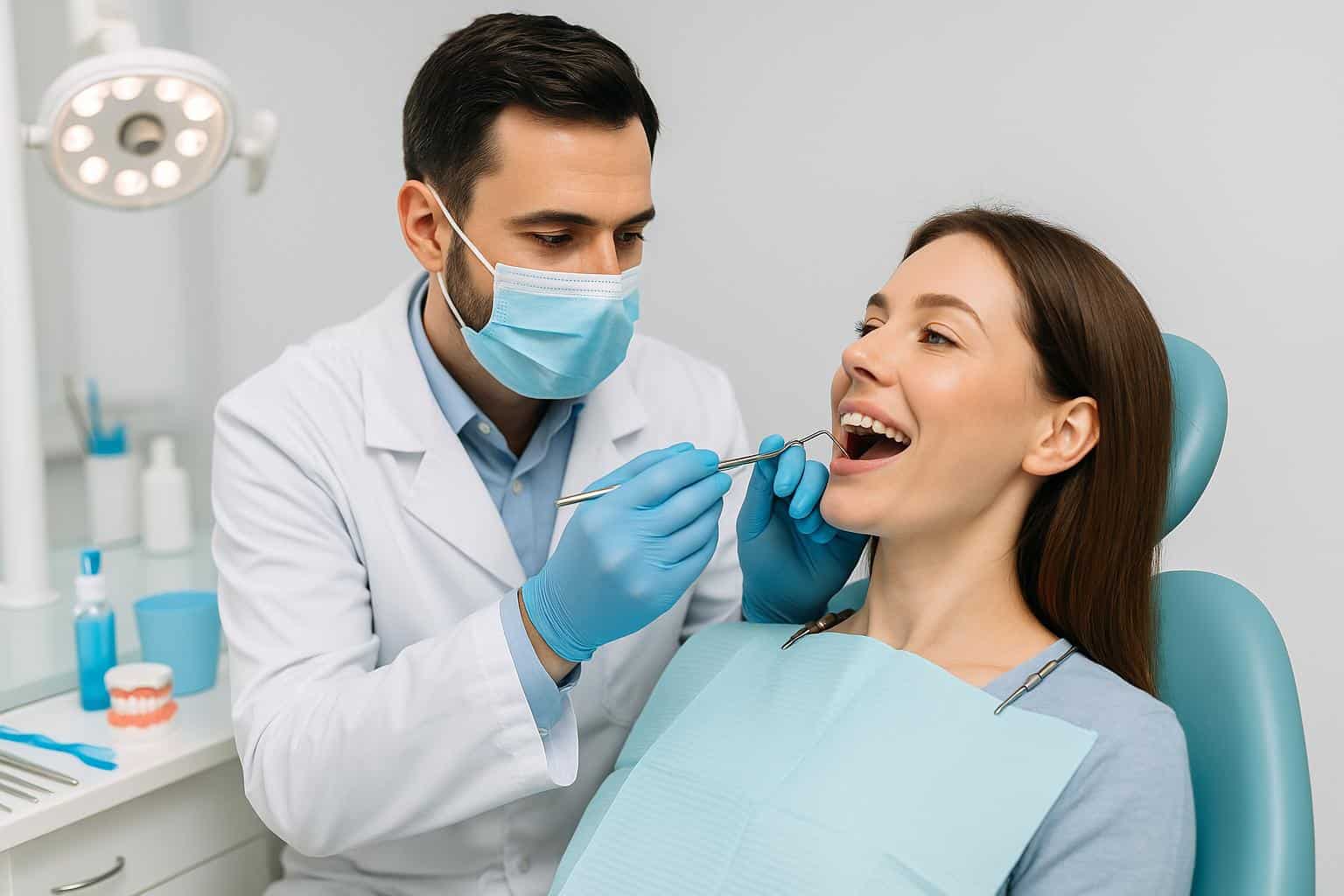

A neglected mouth has a way of announcing itself at the worst possible time: during a work meeting, before a date, or right when a weekend trip is supposed to begin. Most Americans do not need a lecture about brushing; they need an Oral Health Guide that fits real mornings, tired nights, coffee habits, school schedules, insurance limits, and the snack drawer that somehow keeps winning.
Good mouth care is not about chasing a perfect smile for photos. It is about keeping pain, infection, gum trouble, and costly dental work from taking over your calendar. A steady dental care routine gives you more control than most people realize, especially when small choices stack up daily. For readers who follow health, lifestyle, and consumer education through trusted online resources such as local wellness coverage, oral care deserves the same steady attention as sleep, food, and exercise.
The best plan is not flashy. It is repeatable. Stronger daily care starts when you stop treating your mouth like a separate project and start treating it like part of how you protect your whole life.
Building an Oral Health Guide Around Habits You Can Actually Keep
Most people fail at mouth care because they build a routine for the person they wish they were, not the person who gets home tired, eats late, and forgets floss in a travel bag. A practical plan respects friction. It makes the right action easier than the lazy one, because discipline fades faster than plaque grows.
The mouth responds to pattern, not intention. You can buy the nicest brush, whitening paste, and rinse on the shelf, but none of it matters if your timing, technique, and consistency keep breaking down. The better move is to design a routine that survives normal American life: rushed school mornings, long commutes, late-night takeout, and dental visits squeezed between work deadlines.
Dental care routine basics that do not fall apart
A strong dental care routine begins with brushing twice a day for long enough to clean the gumline, not just polish the front teeth. Many people brush like they are trying to erase a stain from a countertop. Teeth need less force and more attention. Gentle pressure, small movements, and full coverage beat aggressive scrubbing every time.
Night brushing carries extra weight because your mouth gets drier while you sleep. Saliva helps wash away food particles and acid during the day, so nighttime neglect gives bacteria a quiet room and several hours to work. That is why skipping the evening brush does more damage than most people want to admit.
Flossing belongs in the routine because toothbrush bristles do not clean tight spaces well. The uncomfortable truth is simple: if food and plaque sit between teeth, brushing alone leaves the job unfinished. Floss before brushing if that helps you remember, or floss after brushing if that feels cleaner. The order matters less than making it happen.
Tooth brushing habits that protect enamel
Better tooth brushing habits start with slowing down. A two-minute brush can feel longer than it sounds, especially when you are staring into a mirror half-awake. Use an electric brush timer, a phone timer, or a song if needed. The point is not performance. The point is giving every area of the mouth its turn.
Hard bristles and heavy pressure often create more trouble than they solve. Overbrushing can irritate gums and wear enamel near the gumline. A soft-bristled brush, held at a slight angle toward the gums, cleans well without turning your daily care into a sanding job.
Timing also matters after acidic drinks. Coffee, soda, sports drinks, citrus juice, and some flavored sparkling waters can soften enamel for a while. Brushing right away may seem responsible, but rinsing with water first and waiting a bit is often kinder to your teeth. That small pause is a quiet form of protection.
Protecting Gums Before They Start Sending Warnings
Teeth get the attention because they are visible, but gums often decide the future of your mouth. They hold the foundation. When gums become swollen, tender, or prone to bleeding, the problem is not cosmetic anymore. It is your body signaling that daily care needs a sharper plan.
Gum trouble can build slowly enough that people normalize it. A little pink in the sink becomes “that always happens.” Bad breath becomes a mint problem. Tenderness gets blamed on chips, popcorn, or brushing too hard. The smarter move is to read those signs early, while the fix is still simple.
Healthy gums need more than occasional floss
Strong healthy gums come from steady disruption of plaque near and under the gumline. Plaque is not dramatic. It does not kick the door open. It settles in, hardens into tartar, and invites inflammation if you leave it alone long enough. That is why gum care rewards boring consistency.
Flossing should slide along the side of each tooth, not snap straight down like a tiny weapon. A soft curve around the tooth helps clean the area where plaque likes to hide. If string floss feels awkward, floss picks or water flossers can help, but convenience should not become an excuse for careless technique.
Bleeding gums deserve attention, not panic. Sometimes bleeding appears when someone starts flossing after a long break, and it may improve with regular care. Still, bleeding that continues, swelling that returns, or gum tenderness that lingers should push you toward a dentist. Your mouth is not being dramatic. It is giving you useful information.
Preventive dental visits catch what mirrors miss
Regular preventive dental visits do something daily care cannot do at home. They remove hardened tartar, spot early decay, measure gum health, and catch patterns you may never notice in a bathroom mirror. A dentist can see the difference between a small issue and a problem that is gaining speed.
Many Americans delay appointments because nothing hurts. That logic is expensive. Pain often arrives late, after a cavity deepens, gum disease advances, or a cracked tooth gets worse. The cheapest dental problem is the one found before it starts shouting.
Insurance can shape how often people schedule care, but the larger principle still holds: do not wait for pain to become your reminder system. Ask your dentist what interval fits your mouth, not your neighbor’s mouth. Some people do fine with twice-a-year visits; others need closer monitoring because of gum history, dry mouth, diabetes, smoking, pregnancy, medications, or past dental work.
Food, Drinks, and Daily Choices That Shape Your Mouth
Your mouth does not only react to brushing. It reacts to the rhythm of your day. Sipping, snacking, chewing, hydrating, and breathing patterns all affect the acid balance around your teeth. That is why two people can brush the same way and still have different dental outcomes.
The hidden issue is frequency. A candy bar eaten after lunch may be less damaging than grazing on crackers, sweet coffee, and soda for six hours. Teeth need recovery time between acid attacks. When your mouth never gets a break, enamel spends the day under pressure.
Sugar is not the only problem in the room
Sugar gets blamed because it feeds bacteria that produce acid, but sticky and starchy foods can cause trouble too. Crackers, chips, dried fruit, granola bars, and sweet cereals may cling to teeth longer than expected. They look harmless compared with candy, which makes them easier to underestimate.
Drinks deserve equal scrutiny. Soda is obvious, but sweet tea, energy drinks, juice, sports drinks, and flavored coffees can keep sugar and acid moving across your teeth for a long stretch. The issue grows when sipping replaces drinking. A large sweet drink nursed through an entire workday creates a slow drip of damage.
Water is the quiet hero here. Drinking water after meals and snacks helps clear food particles and dilute acids. Fluoridated tap water, available in many U.S. communities, can add another layer of enamel support. It is not glamorous, but teeth do not care about glamour.
Healthy gums respond to what the whole body gets
The mouth is connected to the rest of the body, even when dental care is treated like a separate aisle at the pharmacy. Nutrient-poor diets can make gum tissue less resilient. Heavy smoking or vaping can reduce blood flow and mask early gum problems. Dry mouth from medications can raise cavity risk because saliva cannot do its usual cleanup work.
A better plate helps your mouth without turning every meal into a dental project. Crunchy vegetables, calcium-rich foods, lean proteins, nuts, and lower-sugar snacks support stronger daily care. The goal is not perfection. It is fewer long sugar baths and more foods that do not leave your teeth coated for hours.
Chewing sugar-free gum after meals can help some people by increasing saliva flow, especially when brushing is not practical. That does not make gum a replacement for brushing or flossing. It makes it a useful bridge between real life and better care.
Making Stronger Daily Care Work for Families, Workdays, and Aging Teeth
A routine only works when it fits the household it lives in. Parents need one kind of system. Shift workers need another. Older adults, college students, and people with braces, implants, crowns, or dentures all face different friction points. Strong care does not come from one perfect checklist. It comes from adapting the basics without abandoning them.
The most useful question is not “What should everyone do?” It is “Where does this routine break for me?” Once you find the break point, you can fix the system instead of blaming yourself. That shift matters. Shame does not clean teeth. Design does.
Tooth brushing habits for busy homes
Family tooth brushing habits improve when the routine becomes visible. Keep brushes easy to reach, replace them on a schedule, and make nighttime brushing happen before the household gets too tired. Children especially need repetition that feels normal, not a nightly negotiation.
Parents should supervise young kids longer than many expect. A child may hold a toothbrush proudly while missing entire areas of the mouth. That is not failure; it is development. Kids need help until their coordination and patience catch up with the job.
Adults also need setup cues. Put floss where you will use it, not where you think it “belongs.” Keep a travel brush at work if long days turn into late dinners. Place a water bottle near your desk if dry mouth or coffee sipping keeps showing up. Your environment should stop arguing against your goals.
Preventive dental visits across different life stages
The value of preventive dental visits changes shape as life changes. Children need monitoring for growth, brushing skill, sealants, and early bite concerns. Adults need checks for decay, gum changes, grinding, old fillings, and lifestyle-related risks. Older adults may need closer attention to dry mouth, exposed roots, bridges, dentures, implants, and medication effects.
Pregnancy can bring gum swelling and bleeding for some women, which makes dental care worth discussing rather than postponing. People with diabetes also need careful gum monitoring because healing and inflammation can become harder to manage. These are not side notes. They are reasons to treat the dental chair as part of personal health planning.
Cost worries are real in the United States, and pretending otherwise helps nobody. Community dental clinics, dental schools, payment plans, health centers, and insurance-based cleanings can make care more reachable. Waiting until pain forces an emergency visit usually costs more money, more time, and more stress.
Conclusion
Stronger mouth care is not built by one dramatic reset. It grows through small choices that become too normal to skip: brushing with patience, cleaning between teeth, drinking more water, watching snack patterns, and seeing a dentist before pain takes control. The best Oral Health Guide is not the one that sounds perfect on paper; it is the one you can follow on a busy Tuesday night.
Your mouth keeps records. It records the coffee you sip slowly, the floss you forget, the checkup you delay, and the gentle habits you repeat when nobody is watching. That can sound harsh, but it is also good news. Records can change.
Start with the next 24 hours. Brush well tonight, clean between your teeth, rinse after acidic drinks, and schedule the appointment you have been putting off. Stronger daily care begins with one honest decision repeated until it becomes who you are.
Frequently Asked Questions
What is the best daily dental care routine for adults?
Brush twice a day with fluoride toothpaste, clean between your teeth once a day, drink water after meals, and limit long sipping sessions with sugary or acidic drinks. Add regular dental checkups based on your dentist’s advice, especially if you have gum issues or frequent cavities.
How can I improve oral health naturally at home?
Start with consistent brushing, daily flossing, more water, fewer sugary snacks, and better timing around acidic drinks. Sugar-free gum can help saliva flow after meals. Natural care should support proven dental habits, not replace fluoride toothpaste or professional cleanings.
Why do my gums bleed when I brush or floss?
Bleeding often points to gum inflammation from plaque buildup, especially near the gumline. It can also happen when you restart flossing after a long break. If bleeding continues after regular gentle care, schedule a dental visit to check for gum disease or other causes.
How often should Americans schedule preventive dental visits?
Many people benefit from visits every six months, but the right schedule depends on your mouth. Gum disease history, dry mouth, diabetes, pregnancy, smoking, many medications, and frequent cavities may call for more frequent care. Ask your dentist for a schedule based on your risk.
What tooth brushing habits damage enamel?
Brushing too hard, using hard bristles, brushing immediately after acidic drinks, and rushing through the gumline can all create problems. Use a soft-bristled brush, gentle pressure, fluoride toothpaste, and enough time to clean every surface without scraping your teeth.
Are electric toothbrushes better for stronger daily care?
Electric toothbrushes help many people because timers and steady motion improve consistency. They are especially useful for rushed brushers, people with limited hand movement, and anyone who misses the gumline. A manual brush can still work well when used carefully and long enough.
What foods support healthy gums and teeth?
Crunchy vegetables, dairy foods, lean proteins, nuts, and lower-sugar snacks can support a healthier mouth. Water also matters because it helps rinse acids and food particles. The bigger win is reducing how often sugar and starch sit on your teeth during the day.
How can parents help children build better oral care habits?
Make brushing visible, predictable, and supervised. Young children often miss spots even when they try hard, so parents should help until the child has better control. Keep supplies easy to reach, use a timer, and treat nighttime brushing as a normal household rhythm.