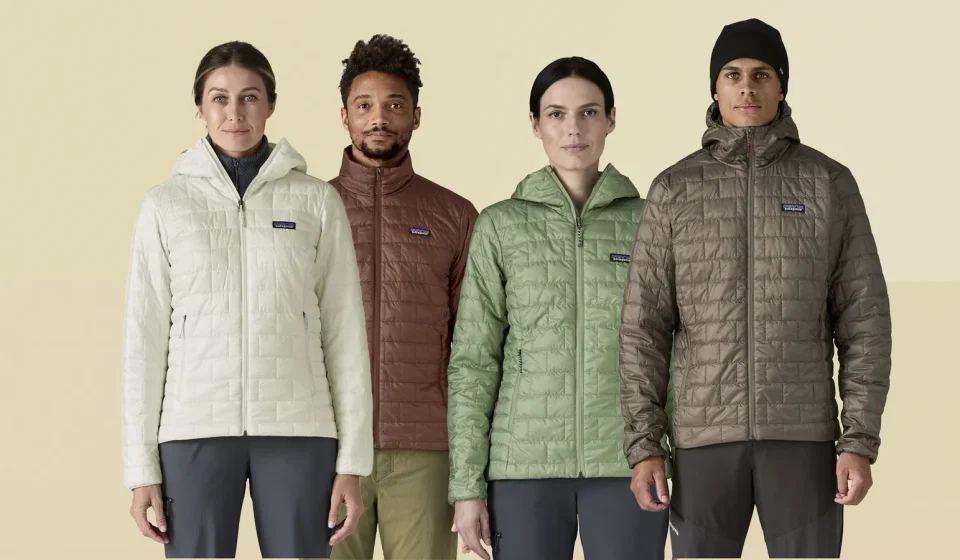

Cold-weather gear does not usually create panic until the size chart starts looking empty. The Nano Puff Jacket has become that kind of item for American shoppers who want one layer that can handle school drop-off, airport mornings, trailhead wind, and a chilly walk to the grocery store without feeling bulky. The smart move is not to chase hype. It is to understand why this piece keeps moving fast, what kind of buyer it actually serves, and when a sale is worth grabbing before the color and size you want disappear. Recent deal coverage has shown select styles dropping well below regular price while many sizes were already close to selling out, which explains why shoppers are watching restocks and markdowns closely. For readers who follow practical outdoor gear buying updates, the bigger lesson is simple: a good layer wins when it does more than look warm on a hanger.
Why the Nano Puff Jacket Keeps Disappearing From Carts
Demand for this layer is not hard to understand once you stop treating it like a fashion item. It sits in the rare middle zone between outdoor gear and daily clothing. That is where most Americans actually live. They do not need an expedition parka to walk the dog in Denver, run errands in Chicago, or pack for a fall weekend in Vermont. They need something warm, light, easy to carry, and not embarrassing at lunch.
The sale rush is about timing, not only price
A markdown can start the rush, but timing does the heavier work. When a jacket like this drops in price near the edge of a season, shoppers begin thinking ahead. They picture October mornings, Thanksgiving travel, and that first cold front that always arrives before the closet is ready.
That is why a spring or end-of-season deal can move stock faster than a winter promotion. In March 2026, select men’s styles were reported at roughly half off their regular price at REI, and women’s options were also discounted while several sizes were already nearly gone. That creates a simple pressure point: buyers are not only comparing price. They are comparing price against the chance that medium black, large navy, or a popular neutral will not return at that number.
The non-obvious part is that off-season buyers are often the most serious ones. Casual shoppers wait until they feel cold. The practical crowd buys when nobody else is thinking about frost yet. That is how a lightweight puffer jacket can vanish in mild weather.
It became a uniform without looking like one
Some jackets scream “trail.” Some scream “office commute.” This one speaks more softly, which is part of its pull. You can wear it over a flannel in Portland, under a shell in Salt Lake City, or with jeans in a suburban Costco parking lot. No costume change needed.
Patagonia describes the men’s version as a weather-resistant, lightweight, packable synthetic insulation layer built for climbers, with the same traits now making it a favorite midlayer for many outdoor uses. That origin matters. Climbing gear has to move, compress, and behave when the weather turns. Daily wear borrowed those benefits because ordinary life is full of small weather problems too.
The catch is that popularity can flatten a product’s meaning. People start buying the logo instead of the use case. That is a mistake. A Patagonia insulated jacket makes sense when you need adaptable warmth, not when you want the thickest coat on the rack.
What Makes This Layer Different From a Standard Puffer
A big, soft puffer can feel great for five minutes in a store. Then you try to drive, sit at a coffee shop, or pack it into a carry-on. Bulk becomes the enemy fast. This layer took a different path. It aims for enough warmth, not maximum puff. That is why it works for people who move through mixed conditions instead of standing still in deep cold.
Warmth matters less than warmth you can control
The jacket uses 60-g PrimaLoft Gold Insulation Eco made from 100% postconsumer recycled polyester, along with P.U.R.E. technology. Patagonia says the insulation gives strong warmth for its weight and keeps working when wet. That last part matters more than many shoppers realize.
Down can be warmer by weight in dry cold, but synthetic fill has an edge in messy conditions. Think wet snow in Boston, misty hikes in the Smokies, or a kid spilling water in the back seat before a long drive. Warmth that survives dampness is practical warmth.
A packable synthetic jacket also lets you adjust faster. You can wear it over a base layer in the morning, stuff it into its own pocket by noon, then pull it back out at sunset. The best daily gear does not demand attention every hour. It stays ready.
The build is simple because simple lasts
The brick quilting pattern is not there for decoration alone. Patagonia says the quilting and side panels help hold insulation in place while keeping the piece low bulk under shells. The men’s version also lists a 13-ounce weight, while the women’s version is listed at 10.9 ounces. That is light enough to carry without thinking about it.
A standard winter coat often solves one problem: cold. This one solves a cluster of smaller problems. Wind at the soccer field. A chilly rental cabin. A drafty airplane. A shoulder season hike that starts warm and ends cold.
The counterintuitive truth is that the less dramatic layer often gets worn more. The huge coat stays on the hook until the forecast turns ugly. The lighter one lives on the chair by the door because it works on ordinary days.
Where It Fits in an American Closet
The strongest reason shoppers keep chasing this piece is not brand loyalty. It is usefulness across regions. A winter layer in Phoenix is not the same thing as a winter layer in Minneapolis, yet many Americans need a piece that handles travel between climates. That is where this coat earns attention.
City wear and trail wear now overlap
The old split between outdoor clothing and daily clothing has faded. Remote workers walk dogs between calls. Parents run from a school pickup to a weekend trail. Travelers need one carry-on layer that works in airports, rental cars, and cold restaurants. A lightweight puffer jacket fits that life better than a heavy coat.
In the Pacific Northwest, it can serve as a dry-day outer layer and tuck under a rain shell when the forecast turns. In Colorado, it works as a shoulder-season piece for errands and short hikes. In the Midwest, it may be better as a midlayer during harsh winter, not the only coat.
That distinction matters. A Patagonia insulated jacket is not magic armor against January windchill in Fargo. It is a flexible tool. Used correctly, it saves closet space and packing space.
Sustainability is part of the value, but not the whole story
The current product uses a 100% recycled polyester shell and lining, and Patagonia notes that the DWR finish is made without intentionally added PFAS. PrimaLoft has also said its P.U.R.E. manufacturing approach can reduce carbon emissions during insulation production by up to 48% compared with its previous heat-based process. Those details will matter to buyers who want gear with a smaller footprint.
Still, the most sustainable layer is the one you wear for years. That is the part shoppers should not skip. A recycled fabric label does not help much if the fit is wrong, the color annoys you, or the warmth level does not match your climate.
That is why seasonal jacket buying guides should focus less on buzz and more on repeat use. Ask where you will wear it on a normal Tuesday. If the answer is clear, the purchase has a better chance of lasting.
How to Buy Before the Best Sizes Vanish
Buying fast does not mean buying blindly. The smarter approach is to decide your size, color, and use case before the deal appears. Then, when stock tightens, you are not staring at six tabs while someone else buys the last medium.
Check fit based on layering, not wishful thinking
Patagonia lists the men’s and women’s versions as regular fit, with improved shoulder fit and elbow articulation for mobility. That does not mean every buyer should choose their usual size without thinking. Your plan matters.
If you want it over a T-shirt and hoodie for errands, your normal size may work. If you want it under a rain shell, avoid oversizing. If you plan to wear it over thick fleece, test the shoulder and chest space carefully. A tight insulated layer loses comfort fast.
The quiet mistake is buying the color left on sale and pretending you will love it later. You probably will not. A packable synthetic jacket should be easy to grab often. Pick a shade you can wear with the clothes you already own, even if the discount is less exciting.
Watch authorized retailers and avoid fake urgency
The best buying window often appears through authorized outdoor retailers, seasonal Patagonia sales, or closeout colors. Recent coverage has shown strong discounts through REI and other deal pages, but stock can shift by size and color. That means today’s bargain may be tomorrow’s empty page.
Fake urgency is still real online. A timer, a low-stock badge, or a loud headline does not prove the price is rare. Compare across Patagonia, REI, Backcountry, local outdoor shops, and the used market when possible. Worn Wear can also be worth checking for buyers who care more about function than a fresh tag.
A good deal is not the lowest number in a vacuum. It is the right size, right return policy, right color, and right use case meeting at the same time. That is rarer than a discount.
For a deeper closet plan, pair this kind of layer with cold weather travel essentials instead of buying another heavy coat that only comes out twice a year.
Conclusion
The rush around this Patagonia layer makes more sense when you view it as practical gear, not a passing trend. It answers a common American problem: too many days are cold, damp, windy, or awkwardly in between. Heavy coats solve only part of that problem. Fleeces solve another part. The Nano Puff Jacket sits in the useful middle, which is why the right size can disappear when a strong markdown hits. The smart buyer should ignore panic language and focus on fit, climate, return policy, and repeat wear. If it will live in your car, carry-on, office chair, or trail pack from fall through spring, it may earn its place fast. Buy it for the days you actually have, not the outdoor fantasy you rarely live. That is how a jacket becomes less of a purchase and more of a habit.
Frequently Asked Questions
Is this Patagonia layer warm enough for winter?
It depends on your winter. It can work alone for mild cold, short errands, and shoulder-season weather. In harsh northern winters, it is better as a midlayer under a heavier shell or parka, especially when windchill drops hard.
Why does this jacket sell out during sales?
Popular sizes and neutral colors often move first because the piece works for travel, errands, hiking, and layering. When discounts hit select colors, buyers who already know their size tend to act fast, leaving broken size runs behind.
What size should I buy for layering?
Choose your normal size if you want light layers underneath. Size up only if you plan to wear thick fleece or bulky hoodies under it. For shell layering, a cleaner fit usually works better and feels less bunchy.
Is synthetic insulation better than down for everyday wear?
Synthetic fill handles damp conditions better and usually costs less than premium down. Down can offer better warmth for weight in dry cold, but synthetic insulation is easier for mixed weather, commuting, and casual outdoor use.
Can I wear it in the rain?
It can handle light moisture, but it is not a true rain jacket. For steady rain, wear a waterproof shell over it. That pairing works well because the layer is low bulk and easy to fit under outerwear.
What colors are safest to buy?
Black, navy, gray, brown, and muted green are the safest long-term choices because they match more clothing. Bright sale colors can be fun, but only buy one if you already know you will wear it often.
Is this a good travel jacket?
Yes, it is strong for travel because it packs down, weighs little, and handles changing temperatures. It works well for flights, road trips, city walks, and cool evenings when you do not want to carry a bulky coat.
Should I wait for a deeper discount?
Wait only if you are flexible on color and size. The deepest markdowns often apply to limited colors or leftover sizes. If you need a common size in a wearable color, a moderate discount may be the better deal.